



Jackets
Jackets are a type of outerwear clothing that cover the upper part of the body. They come in many different styles, sizes, and materials, and are worn for warmth, protection from the elements, and fashion. Some common types of jackets include bomber jackets, leather jackets, denim jackets, blazers, and rain jackets.
Why Choose Us
Our Certificate:We have obtained some authoritative certifications such as ISO 9001, ISO 14001, ISO 45001, SMETA and SEDEX.
High-Quality Services:Not only the clothing products will be offered from us but also professional service. Welcome to inquiry.
Rich Experience:A company that has a wide experience in the industry is likely to understand your needs easily and quickly. This not only shows that they have done this many times before, but that they also have a strong understanding of the industry overall.
Competitive pricing:A company that offers competitive pricing should provide great value for your money. This means you can get your needs met without overspending on the service.


Benefits of Jackets
Warmth
Jackets are meant to keep you warm, providing insulation against cold temperatures.
Style
Jackets come in all sorts of fashionable designs that can help you express your personal style and enhance your overall appearance.
Versatility
Jackets can be worn in a variety of settings, from casual outings to formal events.
Durability
A well-made jacket can last for years, particularly if you take care of it properly.
What are the Applications of Jackets


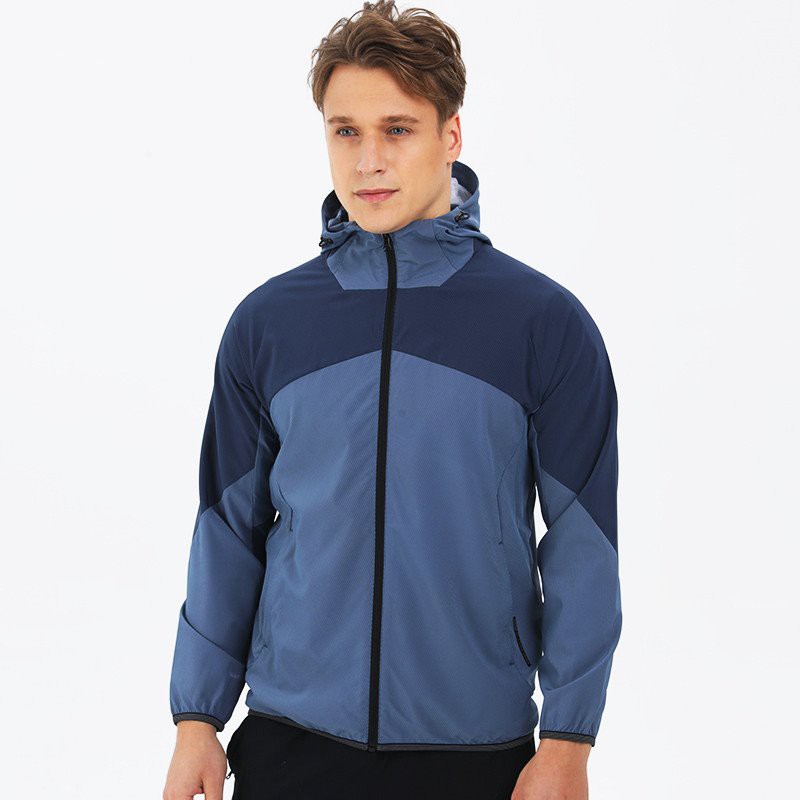

Protection from cold weather:Jackets are commonly used for protection from cold weather. They come with insulation that helps to trap heat and keep the wearer warm. Winter jackets, parkas, and puffer jackets are popular examples.
Rain protection:Rain jackets or raincoats are designed to keep the wearer dry in wet weather. They are usually made of waterproof or water-resistant materials and come with features like a hood and adjustable cuffs to keep rainwater from entering the jacket.
Sports and outdoor activities:Jackets are essential for sports and outdoor activities like hiking, camping, and skiing. They come with features like breathability, water resistance, and lightweight construction, making them suitable for different kinds of activities.
Medical:Medical professionals, such as surgeons, may wear sterile jackets for cleanliness and hygiene purposes
Types of Jackets
Bomber Jacket
Bomber jackets originated as a leather style geared toward men—specifically flight crew members of the U.S. Air Force—and they gained popularity in the 1960s. Today you can find both men's bomber jackets and women's bomber jackets crafted from a variety of materials.
Leather Jacket
There are different types of leather and faux-leather jackets, but one of the most popular is the biker jacket. This shorter style with a zip front can feature studs, clasps, buttons and other hardware for an edgy look.
Quilted Jacket
Looking to keep warm but don't need quite the heft of a puffer? Quilted jackets are a great option for layering in the spring and fall. Thanks to their textured design, these casual styles add interest to any outfit.
Denim Jacket
The classic denim jacket—also referred to as a jean jacket—is known for its versatility. The casual style is great for summer evenings and is an ideal layering piece in cooler weather.
Field Jacket
They're lightweight and water repellent, and their four front pockets make it easy to carry your phone, wallet and keys—along with anything else you need.
Track Jacket
A sporty style that fits right in with the athleisure trend, a track jacket—often paired with track pants—looks great in and out of the gym.
Jackets fabric
Leather
Durable and tough, this is a popular choice for motorcycle and bomber jackets. It's also a good option for cold weather.
Nylon
This synthetic material is lightweight, waterproof, and perfect for outdoor activities like hiking and camping.
Polyester
Similar to nylon, polyester is a common synthetic material for jackets. It's often used for rain jackets and durable outerwear.
Cotton
Cotton is a breathable and comfortable fabric that is great for summer jackets. It is often used in lightweight jackets and blazers.
Jackets Production process

Jacket design
Garment manufacturers typically employ designers to create patterns from which the clothing is made. Computerized machines grade the designs according to government anthropometric tables which assign sizes based on body height and weight. The computer then produces patterns in a range of sizes from the original design.
Cutting
The tanned leather is placed on moving tables called spreaders. Although modern technology allows several layers of fabric to be cut simultaneously, leather is usually cut one layer at a time. The pattern is placed on top of the leather.
Jacket assembly
The jacket is assembled in roughly this order: the sides are stitched to the back portion, sleeve underseams are stitched together, and the sleeves are attached to the armholes.
Molding and pressing
A number of pressing processes incorporating heat application, steaming, and blocking are employed to complete the transformation of the animal skins into a jacket.
Final inspection
Each jacket is inspected by hand before it leaves the factory floor. The completed jackets are then sheathed in plastic bags, packed into cartons, and shipped to the retailer.

Maintenance Tips for Jackets
Regular Cleaning
You should clean your jacket regularly, especially if you wear it frequently. Use a damp cloth to remove any dirt or dust particles, and spot clean any stains as soon as possible.
Proper Storage
Store your jacket in a cool, dry place, away from direct sunlight. Avoid hanging it in a closet or on a hook as this could stretch or distort the shape of the jacket.
Follow Care Instructions
Always follow the care instructions provided with your jacket. It is important to use the right cleaning products and methods to maintain the quality of your jacket.
Waterproofing
If your jacket is not already waterproof, consider using a waterproof spray to protect it from water damage. This will also help to maintain its fabric and color.
Avoid Excessive Sunlight
Exposure to excessive sunlight can damage the fabric of your jacket and fade its color. Avoid wearing your jacket for extended periods in direct sunlight.
Proper Hanging
When hanging your jacket, be sure to use a sturdy hanger that will support the weight of your jacket, and avoid using clips or pins which can damage the fabric.
How to Match Your Jacket and Pants
Match, Don'T Clash
When you want to stand out from the crowd, the most obvious move is to mix up your colors as much as possible. And this can be great—if you get it right. But in the world of fashion, there are some no-no's that you'll want to avoid—like matching brown shoes with black pants.The key to matching your jacket and your pants isn't to always match the same color or wear opposites. You want to wear colors that might complement each other. For example, a navy jacket with a white pair of Performance Dress Khakis is a timeless match that doesn't feature the same colors, but still leaves you with plenty of options for dress shirt colors, tie colors, and shoe colors.
Don'T Just Think Color
Styles. Does your jacket feature contrast stitching that might clash with your pants? Or does it fit well with the color scheme you've chosen? Are you picking a pair of pants with flamboyant style to pair with a flamboyant jacket just for the sake of consistency, even though they might clash?
Textures. One of the best ways to ensure that your jacket and pants look like they belong together is to take texture into consideration. Read the labels of your jackets and pants to get an idea of what fabrics they are.
Use Jackets And Pants To Highlight Or Mute The Outfit
There are two essential things you can do with your jacket and pant pairings—you can either use them as the highlights of your outfit, or you can use them to mute the outfit.What does this look like in practice? You can wear a bold fabric choice like Prime Poplin pants, for example, paired with a unique jacket. You would then use the rest of the outfit's details—like the belt and shoes—to help provide some grounding contrast, using conservative choices to make the outfit come together seamlessly.On the other hand, you can use the jacket and pants to mute your bolder choices in ties, shirts, and accessories, by sticking to standbys such as a navy jacket or khaki pants.
Insulation Levels for Winter Jackets
Regardless of the style of jacket youlre looking to buy, you'll want to find the insulation level that fits best with your daily activities and environments.

Types of Jacket Insulation
There are many types of insulation used in cold weather jackets. The following sections look at the most popular insulation options and explains why some are better suited for certain activities compared to others.
Down
Down is often described as nature's best insulation. It's well-loved for being light, soft, warm and packable, but it's also ineffective when wet and takes longer to dry. So, if you're wearing a down jacket while snowboarding, keep in mind that moisture from the snow and your own sweat can make the insulation less effective as you're riding.
Synthetic
Synthetic insulations like ProFill® more or less solve the problem of wet down. Synthetic fills maintain their shape and warmth even when they get wet but are generally less compressible than down. They also dry out faster, making them ideal for snowboard and ski jackets.
Hybrid
Hybrid insulation combines both down and synthetic fills. Some jackets will create a hybrid insulation that is used throughout the jacket. Others might use down in one part of the jacket (like the body) and synthetic in another part (like the arms).
Our Factory
Guangxi Zhongjian Sports And Leisure Clothing Co., Ltd (CHINJANE) is an experienced clothing manufacturer, since 2001, with a 20000㎡ factory and 350 workers. Providing many kinds of clothes and offering support for our clients, such as commercial bidding, supply chain, OEM / ODM. Chinjane has been certified by ISO9001, ISO14001, ISO45001, SEDEX, SMETA, and we are working with some famous brands such as JOMA and Walmart. Welcome to inquiry.

FAQ
We're professional jackets manufacturers and suppliers in China, specialized in providing high quality custom service. We warmly welcome you to buy bulk high-grade jackets at low price from our factory.
custom fire jackets, customize your own puffer jacket, custom embroidered rain jackets